
A common belief is that replacing meat with tofu does not help the environment, since soy farming is often connected to deforestation in tropical regions like the Amazon. However, soy grown for tofu and other human foods makes up only a small part of global soy production. This fact check explores how tofu is actually related to soy-driven deforestation.
Most Soy Doesn’t End Up as Tofu
While deforestation is indeed an issue in soybean production, the main driver isn’t tofu. According to the European Food Information Council (EUFIC), around three-quarters (75-80%) of all soy grown worldwide is used to feed animals, mainly chickens, pigs and cattle. Only about 2-7% is eaten directly by people in foods like tofu, soy milk, tempeh or edamame. Jonas Baumann, project manager at OroVerde Tropical Forest Foundation, confirms that soy for human consumption isn’t the problem. In an interview quoted by Süddeutsche Zeitung Magazin, Baumann explains: “The vast majority of soy goes into livestock feed.”
In short, the demand for animal feed, not tofu, is what drives most soy-related deforestation. So blaming tofu for rainforest loss confuses cause and effect: meat eaters indirectly consume much more soy through animal feed than tofu eaters ever could.
Soy Expansion and Rainforest Loss
Soy cultivation has contributed significantly to deforestation in Brazil, Argentina and Paraguay. The WWF Soy Supply Chain Report (2024) confirms that millions of hectares of tropical forests and savannas, especially in the Amazon and Cerrado regions, have been cleared for soy expansion. However, the same WWF data demonstrates that nearly all of that soy is processed into feed for livestock, not tofu. The rainforest is indeed being cleared for soy, but mainly to feed cows, pigs and chickens rather than to produce soy foods for people. When comparing tofu with animal products, the difference in environmental impact is striking. Large life-cycle assessments show that even when soy’s footprint is considered, eating soy-based food directly is far more efficient and climate-friendly than producing animal feed from soy.
As stated by Our World in Data (based on Poore & Nemecek, 2018), the average carbon emissions per kilogram of food are roughly:
- Beef: around 60 kg CO₂-eq per kg of meat
- Pork: about 10-12 kg CO₂-eq per kg
- Chicken: about 8-10 kg CO₂-eq per kg
- Packaged tofu: around 3 kg CO₂-eq per kg
These numbers prove that tofu and other soy foods for humans have a much smaller carbon footprint than meat. In other words, eating soy directly, instead of feeding it to animals, can be a more climate-friendly choice. Even considering transport and processing, tofu’s climate footprint is about 5-10 times smaller than beef’s. From a carbon standpoint, switching from meat to tofu helps the planet rather than harming it.
Where Does the Soy for Tofu Come From?
In Europe, the situation differs from South America: much of the soy used in European tofu is grown in Europe itself, in countries like Austria, France and Italy and is non-GMO. The Donau Soja Initiative and WWF Germany both report that European-grown soybeans are cultivated under stricter environmental standards and are not associated with recent deforestation. While some soy is still imported from Brazil or the U.S., many European tofu brands now label the soy’s origin, often emphasizing deforestation-free sourcing.
Regulations in Europe: Preventing Deforestation-Linked Imports
The EU has also introduced strong measures to ensure deforestation-free imports. Under the EU Deforestation Regulation (EUDR, 2023), products like soy, beef, coffee, cocoa, palm oil and wood can only be imported if proven deforestation-free since December 2020. Companies must provide geolocation data for the land where soy was grown and comply with local environmental laws. Additionally, soybeans certified under the U.S.-EU Soya Sustainability Scheme meet European sustainability standards. As a result, tofu sold in Europe today is increasingly made from certified, deforestation-free soybeans.
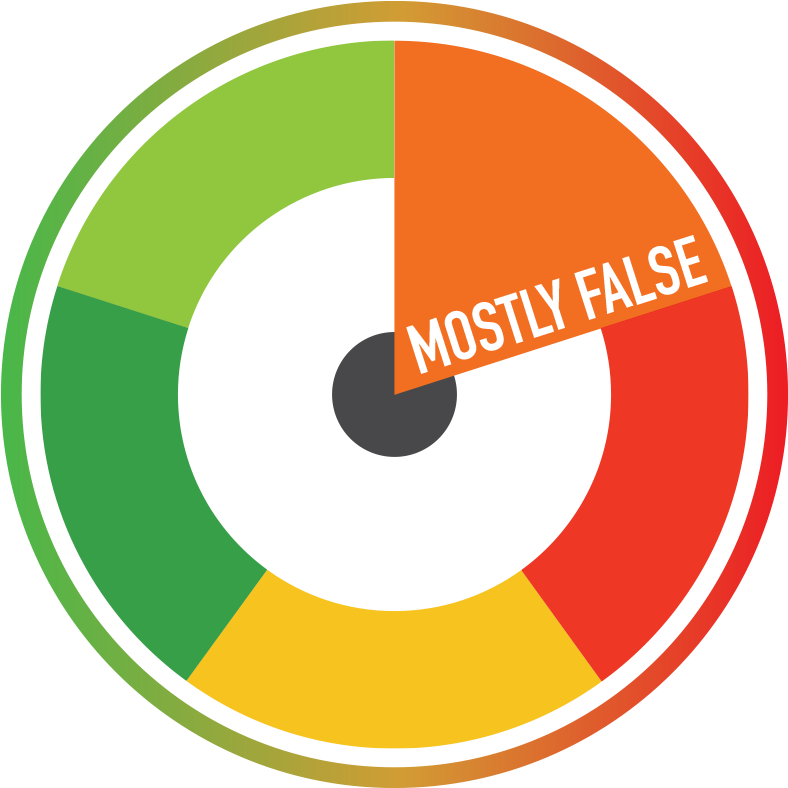
Verdict: Misleading and mostly false
The statement “Rainforests are being cleared for tofu” is misleading and mostly false. Although soy cultivation has contributed to deforestation, the primary cause is the production of animal feed for the global meat and dairy industries, not soy foods eaten directly by humans. Tofu accounts for only a small fraction of global soy demand and, in Europe, is increasingly sourced from sustainable, deforestation-free soybeans. Rainforests are being cleared for soy, but not for tofu.
Leave your comments, thoughts and suggestions in the box below. Take note: your response is moderated.
RESEARCH | ARTICLE © Prerana Subedi, Leah Gand, Anastasia-Alexia Colesnicenco